A colonoscopy
is one of the
best tests for the early detection of
colorectal cancer.
But misinformation about the
test and
the cancer
abound,
keeping
people from
getting
screened.
There are
five essentials
you should
know about
colorectal
cancer, says
Erik Branstetter, DO, general
surgeon at Memorial Health
Center:
1
Colorectal cancer can, in
many cases, be prevented.
Te cancer almost always
starts with a small, precancerous
growth called a polyp. Polyps
can be found with certain tests,
such as a colonoscopy or a fexible
sigmoidoscopy. If the polyp is found
early, doctors can remove it before
it develops into cancer.
Researchers also have found that
a healthy lifestyle lowers the risk of
colorectal cancer.
Tere are some things you can
do, Dr. Branstetter says:
➜
Get
to and stay at a healthy weight.
➜
Keep physically active.
➜
Avoid
alcohol.
➜
Eat plenty of fruits,
vegetables and whole grains.
➜
Eat only small amounts of red or
processed meat.
2
Colorectal cancer is not always
deadly.
More than 90% of people whose
colorectal cancers are found
early can be treated and cured,
reports the American Society
for Gastrointestinal Endoscopy.
But many people wait to see a
doctor until they have symptoms
of the disease. Often, that means
the cancer has already spread.
“Survival rates are lower if
colorectal cancer isn’t found early,”
Dr. Branstetter warns.
3
Colorectal cancer is an equal-
opportunity disease.
“It afects men and women of all
races,” Dr. Branstetter says. “Te
most important risk factor, however,
is age. More than 90% of colorectal
cancer cases are in people 50 and
older.”
4
Screening is important—even
if you eat well, exercise and
feel fne.
Often there are no symptoms
until the cancer has spread. And
while diet and exercise lower
your risk, they aren’t a guarantee
against the disease. Screening
is recommended even for people
without symptoms or risk factors.
“Most people should be screened
Reluctant to schedule a colonoscopy? Rest assured,
our staf will make your exam as easy as possible.
things
you
should know
Colorectal cancer
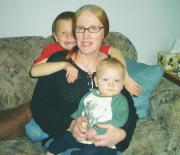
Linda Patterson, of Medford (with her
grandsons Jackson Leipart and Xavier
Sias), has had three colonoscopies
performed at Memorial Health Center.
“Having a colonoscopy is a breeze,” she
says. “You don’t feel the procedure.”
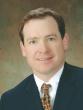
Erik Branstetter,
DO
for colorectal cancer starting at age
50,” Dr. Branstetter recommends.
“But some people who are at
particularly high risk for the
disease may need to start screening
at an earlier age.”
Many insurance policies cover
the cost of screening for people 50
and older. Medicare covers the test
too.
5
Colonoscopy generally is not
painful.
Most people don’t remember the
procedure because they’re given
medicine to sleep through the exam.
So talk with your doctor about
when you should be screened. Tis
is one test that could save your life.
12
Memorial Health Center
•
Well
aware